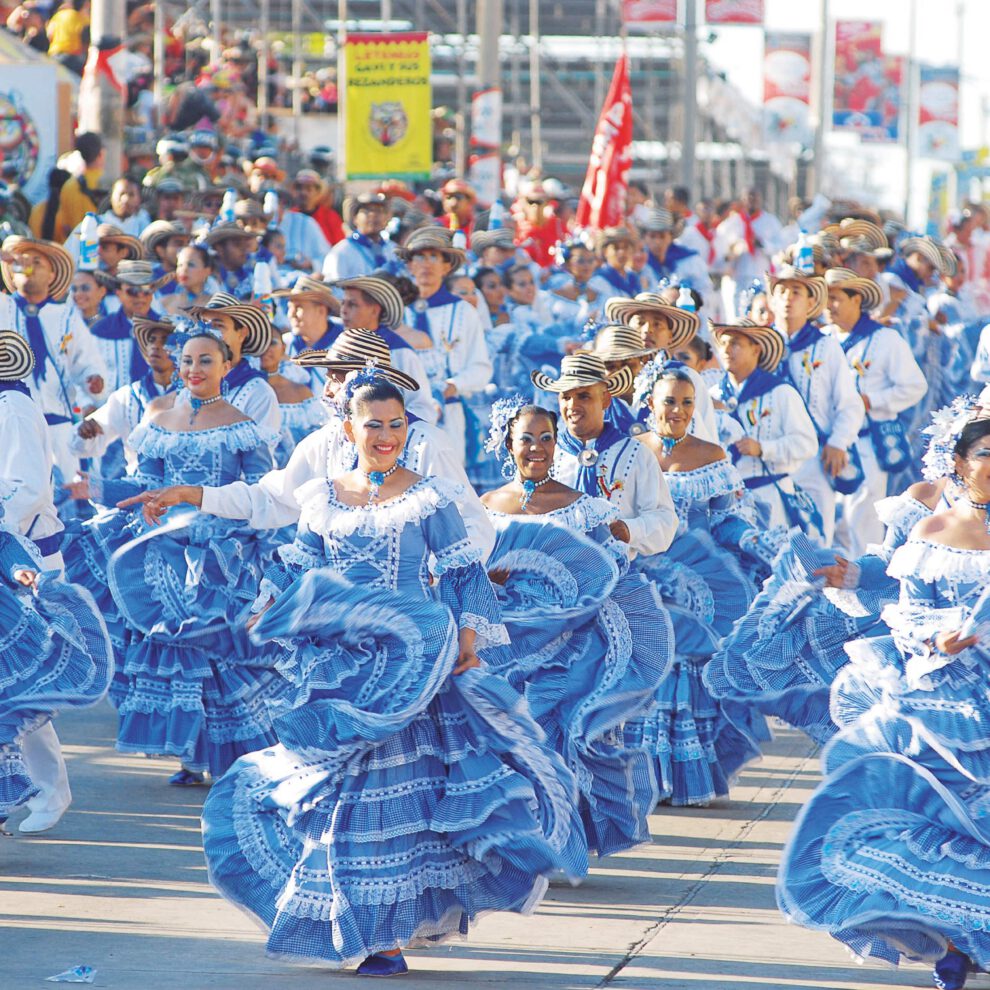

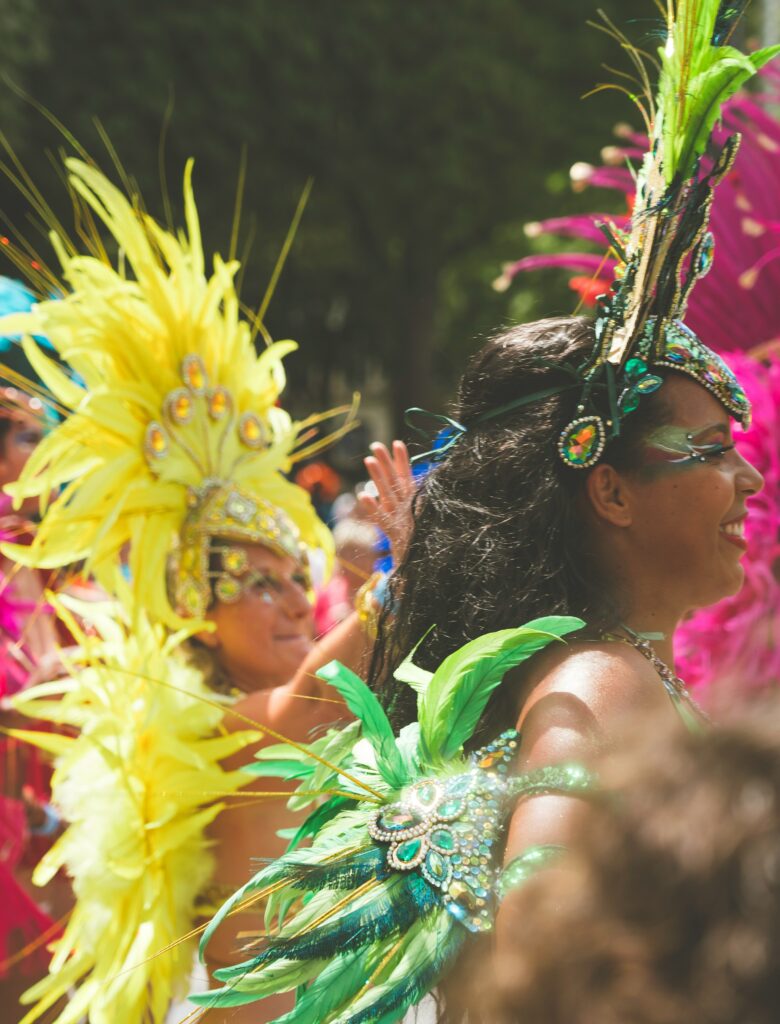
Want to learn samba in Rio de Janeiro the authentic way? In a smart Ipanema dance studio, instructor Carla Campos demands chest up, hips firm, and no wriggling — because real samba is about dancing like a malandro, not a chicken.
Ah, the malandro — the archetypal bad boy, the con artist, the ladies’ man, the hero of all the early samba songs of Rio de Janeiro. My first ever samba dancing lesson is nearing its end, and I feel like a failure. But with a puppeteer’s deft touch, Carla teases me out — cranium, sternum, belly, back pulled along opposing vectors and — hey presto! — I’m dancing ramrod straight, chest puffed out like a cockerel’s, a heady masculine energy flooding my veins. It’s quite a hit, quite a high — a thrillingly alien sensation for a slouching, bespectacled, booze-addled British scribbler like me.
My lesson has not only introduced me to a new side of myself (Chico, shall I call him, my inner malandro? Or Nelson, perhaps?). It’s also been a great workout, and a lesson in the need to stop thinking and just do things in life. How else, in the space of a single hour, to persuade one’s hips, arms and feet to move regularly at a frantic pace but according to different rhythms, in different directions while also smiling brightly and embodying the spirit of a mythical Brazilian folk hero? The fact I managed something approaching this feat for even a few seconds towards the end of Carla’s class is a big kick in itself.
A uniquely Brazilian fusion of older African and European elements, samba was born at the turn of the 20th century in Rio de Janeiro, and soon became a country-wide craze. Later, it spawned a thousand variants — most famously, the whispering, shimmering, jazz-inflected tones of Bossa Nova. It’s Brazil’s foremost cultural export, and you can learn to dance it more or less anywhere on the planet. But there’s nothing like experiencing it in its home city, where it remains the soundtrack to everyday life.
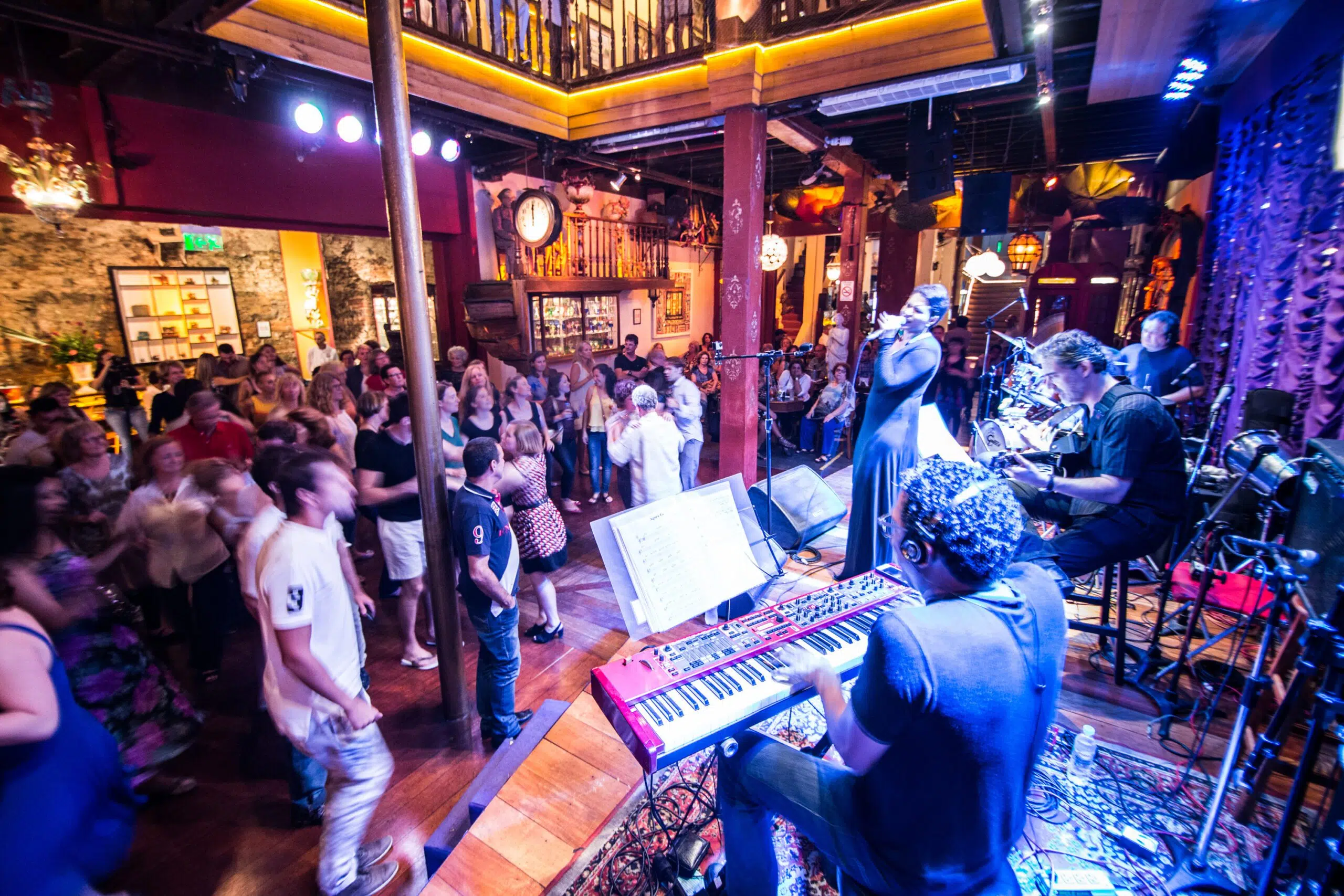
My guide is Dehouche’s own Tom Robinson, who has fantastic connections with the city’s multifaceted samba scene. On learning about my newfound obsession with my nascent inner malandro, he and Brazilian sambista, the very stylish Keyla Bergamazi lead me first to the latter’s original stamping ground: the grand boulevards of Lapa, a bohemian neighbourhood and former red light district where the samba clubs that flourished in the 1930s are still going strong.